
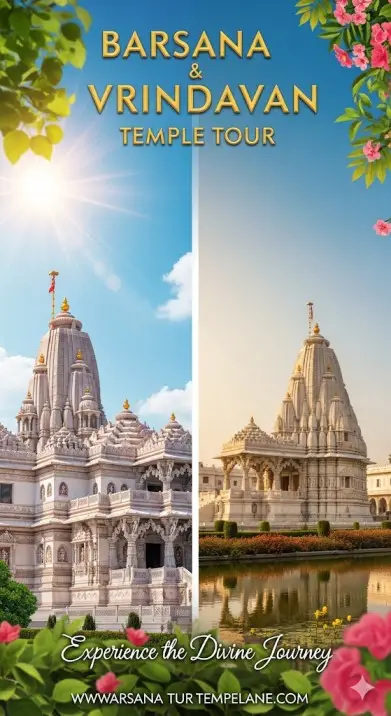
Comprehensive Insights into Barsana: A Detailed Exploration of Its Cultural Significance, History, and Practical Perspectives
Discover the rich cultural tapestry and historical significance of Barsana through this comprehensive exploration that delves into its traditions, heritage, and contemporary relevance. This detailed article offers readers an insightful journey into the town’s spiritual roots, vibrant festivals, and practical perspectives, providing a well-rounded understanding of its importance in Indian culture. Whether you’re a curious traveler, a history enthusiast, or seeking meaningful insights, this piece equips you with valuable knowledge to appreciate Barsana’s unique legacy.
Introduction to Barsana
Nestled in the northern Indian state of Uttar Pradesh, Barsana is a picturesque town renowned for its deep-rooted spiritual significance and vibrant cultural heritage. Located near the city of Mathura, a major hub for religious tourism, Barsana is approximately 60 kilometers away from Agra, a city globally celebrated for the Taj Mahal. Its proximity to Indira Gandhi International Airport in Delhi makes it accessible for travelers arriving from across the globe, including those connecting through Gandhi International Airport or Delhi’s international airport del.
Barsana holds a special place in Indian culture and spirituality as a prominent pilgrimage site dedicated to Lord Krishna and Radha. The town’s lush landscapes, traditional temples, and lively festivals attract devotees and tourists alike, eager to experience its divine atmosphere. The purpose of this article is to explore the rich history, cultural traditions, festivals, and contemporary relevance of Barsana, providing readers with a comprehensive understanding of its enduring legacy.
Historical and Cultural Roots of Barsana
The origins of Barsana as a spiritual center trace back to ancient Hindu mythology, where it is believed to be the birthplace of Radha, the beloved consort of Lord Krishna. Over centuries, Barsana evolved from a modest settlement into a vibrant hub of religious activity, largely influenced by regional history and the devotional movements centered around Krishna and Radha.
Historically, Barsana has witnessed significant events that shaped its cultural identity, including the establishment of temples dedicated to Radha and Krishna, which continue to be vital pilgrimage sites today. Its architectural heritage features intricately carved temples, traditional monuments, and structures that reflect the artistry of local craftsmen. These structures not only serve as places of worship but also as repositories of the town’s rich Barsana history.
The influence of regional history, including the Mughal period and subsequent Indian independence movement, has left an indelible mark on local customs and practices. The town’s traditions, from folk arts to religious rituals, are deeply intertwined with its historical evolution, preserving a unique cultural tapestry that continues to thrive.
Religious Significance and Traditions of Barsana
Barsana’s spiritual prominence is rooted in its association with Lord Krishna and Radha, making it a major pilgrimage destination for followers of Hinduism. The town is believed to be the birthplace of Radha, and her divine love story with Krishna forms the core of local religious practices.
Mythologically, Barsana is celebrated for its connection to Radha’s divine pastimes, which are recounted through stories, songs, and rituals. The town’s temples, such as the famous Radha Rani Temple, attract thousands of devotees who seek blessings and spiritual solace.
One of the most iconic festivals celebrated here is Radha Rani’s Holi, also known as Lathmar Holi, a vibrant and spirited event that symbolizes love, devotion, and community bonding. During this festival, women playfully hit men with sticks (lath), while men try to protect themselves, creating a lively spectacle filled with music, dance, and color. This unique tradition is accompanied by various rituals, customs, and traditional practices that are exclusive to Barsana’s spiritual community, reinforcing its cultural identity.
Festivals, Celebrations, and Cultural Events
Barsana’s cultural calendar is marked by a series of lively festivals that showcase its rich traditions. The most famous among these is the Radha Rani’s Holi or Lathmar Holi, celebrated annually in the months of April, June, July, August, August, September, October, and November. This festival commemorates Radha’s divine love and is characterized by playful interactions, traditional music, and dance.
Apart from Holi, other notable festivals include Janmashtami, celebrating Lord Krishna’s birth, and various local fairs that highlight traditional arts, crafts, and cuisine. Music and dance play a vital role in these celebrations, with folk performances such as raas and bhajans adding to the festive atmosphere.
These festivals serve not only as religious observances but also as occasions for community bonding and cultural preservation. They attract visitors from across India and abroad, including those traveling through agra, del delhi, or visiting Barsana resort and summit barsana resort for a spiritual retreat.
Practical Perspectives and Contemporary Relevance
Today, Barsana is increasingly recognized for its spiritual tourism in Barsana, drawing pilgrims and tourists seeking a blend of spiritual experience and cultural immersion. The town offers various attractions, including temples, traditional markets, and scenic landscapes, making it a compelling destination for travelers.
The influx of visitors has positively impacted the local economy, fostering growth in sectors such as hospitality, retail, and transportation. Notably, establishments like the Barsana boutique hotel Kolkata and Barsana resort provide comfortable accommodations for visitors, while Aap Ka Bazar offers local crafts and souvenirs.
Efforts are underway to preserve Barsana’s heritage and historical sites, ensuring that its cultural identity remains intact amidst modernization. However, challenges such as environmental sustainability, infrastructure development, and maintaining the authenticity of traditions require ongoing attention.
Opportunities for sustainable development include promoting eco-friendly tourism, enhancing infrastructure at pilgrimage routes, and encouraging community-led initiatives that respect local customs. The proximity to major transportation hubs, including Indira Gandhi International Airport and Gandhi International Airport, facilitates easier access for international travelers, boosting the town’s profile as a spiritual and cultural destination.
Conclusion
In summary, Barsana is a town of profound historical, cultural, and spiritual significance. Its rich history, vibrant festivals, and enduring traditions contribute to its unique identity within Indian cultural heritage. Preserving its legacy is essential for future generations to appreciate the depth of its spiritual roots and cultural diversity.
Encouraging respectful exploration and appreciation of Barsana’s legacy can foster greater understanding and harmony among diverse communities. As a vital part of India’s spiritual tourism landscape, Barsana continues to enrich the country’s cultural mosaic, offering a meaningful experience for all who visit.
Whether you are a history enthusiast, a devout pilgrim, or a curious traveler, Barsana’s captivating traditions and welcoming community invite you to explore and cherish its enduring legacy.